
Langkawi is one of Malaysia’s top island destinations, known for its calm waters, affordable island activities, and beautiful beaches. While the waters are generally safe, jellyfish can occasionally appear—just like in many tropical destinations.
The key is awareness, prevention, and knowing what to do if a sting happens. This guide provides clear and reliable information so travellers can enjoy Langkawi with confidence.
Is Langkawi Water Safe?
Yes. Langkawi waters are generally safe for swimming year-round.
Jellyfish sightings are occasional and tend to be seasonal. Beaches, resorts, and tour operators often monitor sea conditions, and jellyfish risks remain low for most travellers.
Many tourists swim daily at Pantai Cenang, Tengah, Tanjung Rhu, and island-hopping locations without incident. The key is to swim in designated areas, follow safety signage, and stay cautious during known seasons.
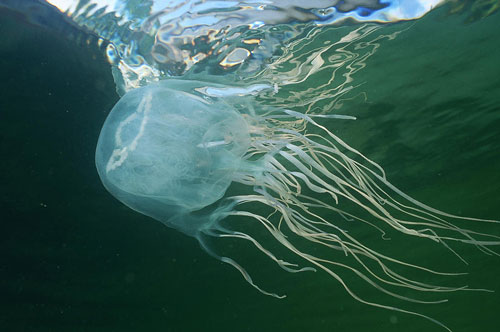
Source: thethailandlife
When Is Jellyfish Season in Langkawi?
Jellyfish can appear at any time, but are most common during:
- Hot weather with stronger sunlight
- Post-rainy season transitions (Oct–Jan & May–July)
- Periods of warmer sea surface temperature
These conditions encourage jellyfish breeding and currents that bring them closer to shore—similar to other islands in Thailand and Southeast Asia.
Which Beaches in Langkawi Should You Be Aware Of?
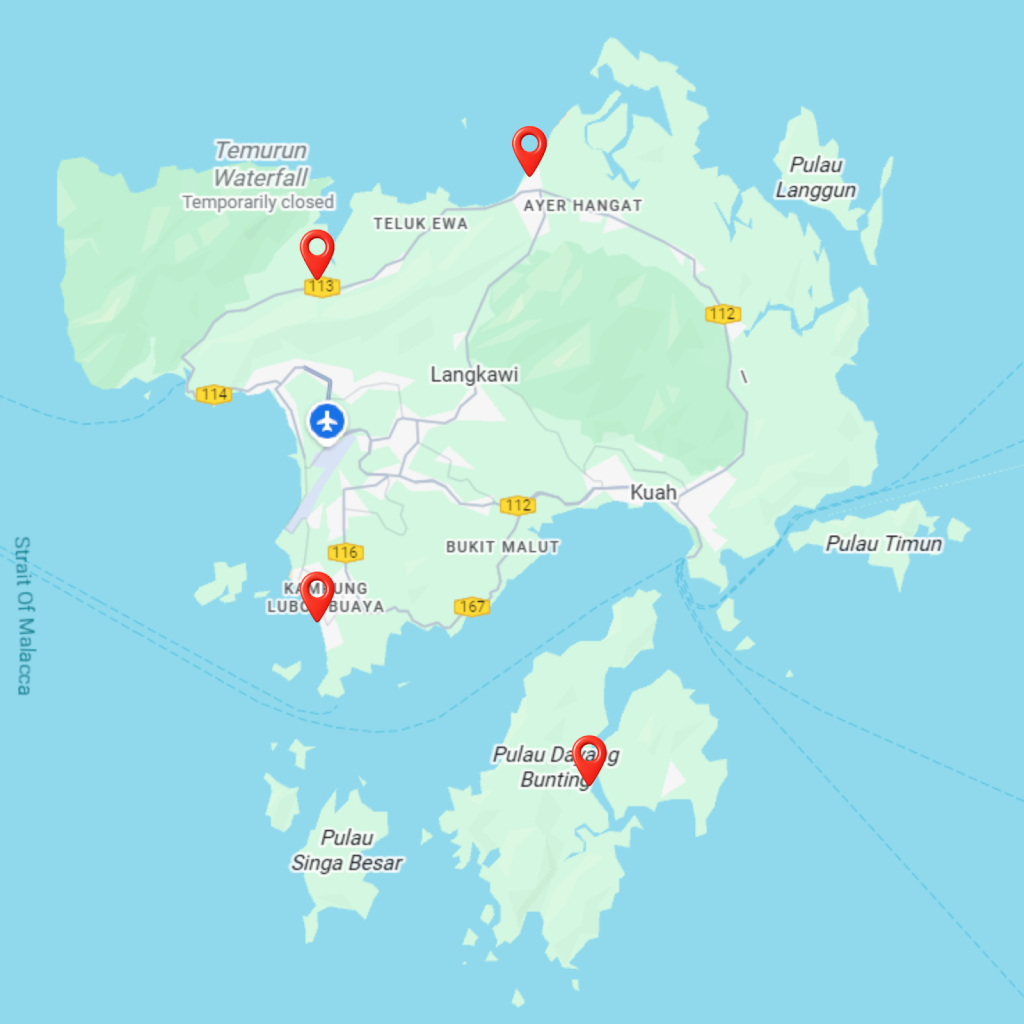
Jellyfish can drift anywhere, but higher encounter reports are usually from:
- Pantai Cenang & Pantai Tengah (busy swimming beaches)
- Tanjung Rhu
- Pantai Kok
- Island-hopping areas (Dayang Bunting, Pulau Beras Basah)
These are popular areas where more people swim, leading to more reported cases—not necessarily higher jellyfish populations.
Where Are Jellyfish Usually Found at the Beach?
Jellyfish tend to be found:
- Near the shoreline, especially during low tide
- Shallow calm waters
- Areas with fewer waves
- After storms, when tides push marine life closer to shore
If you notice clear, translucent blobs washed up on the sand, it’s a sign to be more cautious in the water.
How to Spot Jellyfish in the Water?

Source: malaymail
To spot jellyfish at the beach, you need to look out for:
- Clear, transparent shapes floating near the surface
- Long, fine tentacles trailing behind
- Light reflections that highlight floating blobs
- Groups of “gel-like” organisms near the tide line
If the water looks murky after rain, visibility may drop—best to avoid swimming until clearer.
Is the Box Jellyfish Dangerous?
Yes, box jellyfish can be dangerous, but encounters in Langkawi are very rare.
Why the concern?
- Box jellyfish venom is potent and can cause intense pain, muscle spasms, and in severe cases, breathing difficulty.
- Not all box jellyfish species are deadly—many cause moderate stings similar to normal jellyfish.
Langkawi authorities and resort operators monitor sightings, and cases are infrequent. Awareness—not fear—is key.
Signs You Got Stung by a Jellyfish
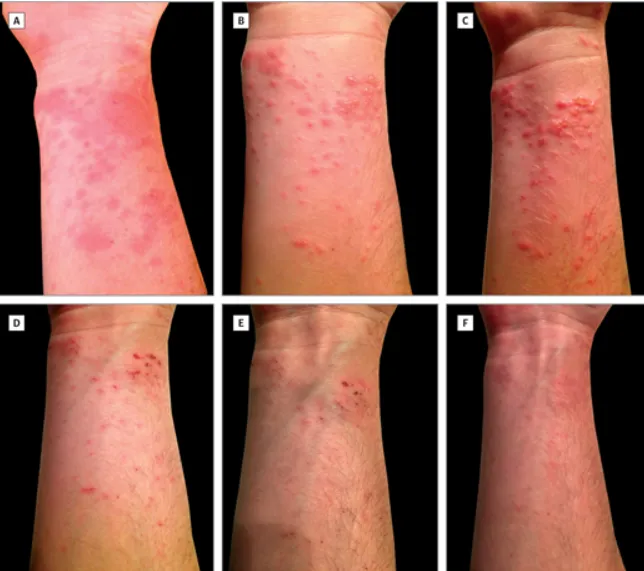
Source: safesea
Common symptoms of jellyfish sting:
- You will feel a sharp, sudden burning or stinging pain
- Red whip-like marks on the skin
- Swelling or itching
- Small blisters or welts
- In serious cases:
- Difficulty breathing
- Muscle cramps
- Dizziness
Immediate Action: What You SHOULD Do
If you or someone gets stung by jellyfish, they should:
1. Get out of the water immediately
Prevent more tentacles from touching the skin.
2. Rinse with vinegar (acetic acid)
Vinegar neutralises tentacles from box jellyfish and many species.
Do this for at least 30 seconds.
3. Remove tentacles carefully
Use:
- Tweezers
- A card
- The edge of an ID
Do not use bare hands.
4. Immerse the area in hot water (40–45°C)
Heat helps deactivate toxins and reduce pain.
5. Seek medical attention if symptoms worsen
Especially if:
- The sting covers a large area
- The person feels faint or has difficulty breathing
- The victim is a child
What You SHOULD NOT Do
Avoid these common mistakes:
Do not use fresh water — it can worsen venom release
Do not rub the wound
Do not apply alcohol, urine, oil, lime, or ice
Do not press sand onto the wound
Do not delay medical help if symptoms escalate
Contact Langkawi Emergency & Local Help
1. Langkawi Emergency Numbers
- Medical Emergency / Ambulance: 999
- Police Hotline: 999 / 04-966 6222
- Marine Rescue (MMEA): 999 / 04-966 2750
2. Know the Hospital Route
Main medical facilities in Langkawi:
- Hospital Sultanah Maliha (Public Hospital) – Kuah
- Aloes Medical Centre – Kuah
- PMC Polyclinic – Pantai Cenang
- Cenang Medical Clinic – Pantai Cenang
- Dayang Medical Clinic – Kuah
Travellers should save their hotel or homestay location on Google Maps and know the nearest clinic.
3. Hotel or Tour Operator Contact List
Always keep a quick-access list:
- Hotel front desk
- Local tour operator (island hopping, snorkeling, diving)
- Driver or transport provider
- Resort lifeguard station
Most hotels in Langkawi are trained in basic first aid for jellyfish stings and have vinegar supplies ready.
Conclusion
Jellyfish are a natural part of tropical marine life—but with awareness and simple precautions, Langkawi remains a very safe destination for swimming and beach activities.
Tourists continue to enjoy Cenang, Tengah, Tanjung Rhu, Pantai Kok, and island-hopping waters every day with no issues.
By understanding when jellyfish appear, how to spot them, and what to do in case of a sting, you can travel with confidence.
Langkawi is beautiful, safe, and ready to welcome you—just swim smart, stay alert, and enjoy the island to the fullest. Book your trip to Langkawi now!